'%20fill='%23fff'%3e%3cpath%20d='M24%20364.337V24h141.909c25.481%200%2046.833%203.601%2064.056%2010.803%2017.222%207.191%2030.183%2017.279%2038.882%2030.24s13.049%2027.972%2013.049%2045.041c0%2012.961-2.72%2024.513-8.148%2034.645-5.429%2010.142-12.906%2018.534-22.431%2025.174-9.526%206.651-20.548%2011.299-33.069%2013.953v3.325c13.732.661%2026.451%204.383%2038.134%2011.134%2011.684%206.762%2021.077%2016.155%2028.168%2028.17%207.092%2012.025%2010.638%2026.231%2010.638%2042.628%200%2018.281-4.647%2034.601-13.952%2048.939-9.305%2014.35-22.762%2025.648-40.381%2033.908-17.607%208.248-38.992%2012.377-64.143%2012.377H24zm82.258-200.414h45.534c8.975%200%2016.947-1.497%2023.929-4.493s12.432-7.312%2016.374-12.961c3.931-5.65%205.902-12.466%205.902-20.439%200-11.409-4.041-20.384-12.135-26.926-8.082-6.53-18.995-9.801-32.738-9.801h-46.866v74.62zm0%20134.109h50.853c17.839%200%2030.987-3.381%2039.466-10.131%208.479-6.762%2012.708-16.178%2012.708-28.247%200-8.755-2.049-16.309-6.145-22.686-4.096-6.365-9.922-11.298-17.443-14.789-7.532-3.491-16.561-5.231-27.089-5.231h-52.339v81.095l-.011-.011zM388.865%2024v340.337h-81.256V24h81.256zm181.618%20230.159V109.082h81.091v255.255h-77.435v-47.529h-2.665c-5.649%2015.616-15.263%2028.004-28.829%2037.145-13.578%209.14-29.941%2013.71-49.102%2013.71-17.398%200-32.683-3.986-45.864-11.97-13.181-7.973-23.433-19.14-30.745-33.489s-11.023-31.165-11.133-50.437V109.082h81.256v146.739c.11%2013.854%203.766%2024.767%2010.968%2032.74s17.002%2011.96%2029.413%2011.96c8.082%200%2015.372-1.795%2021.847-5.407%206.486-3.601%2011.628-8.865%2015.45-15.781%203.821-6.927%205.737-15.318%205.737-25.174h.011zm224.376%20115.002c-26.704%200-49.718-5.286-69.044-15.869-19.337-10.583-34.181-25.703-44.532-45.371-10.362-19.668-15.537-43.069-15.537-70.215s5.208-49.445%2015.614-69.212c10.418-19.779%2025.096-35.174%2044.037-46.197s41.261-16.53%2066.962-16.53c18.17%200%2034.787%202.83%2049.851%208.48s28.08%2014.007%2039.048%2025.086%2019.501%2024.734%2025.591%2040.966%209.14%2034.81%209.14%2055.756v20.273H694.145v-47.199h146.226c-.11-8.633-2.159-16.342-6.145-23.104s-9.448-12.047-16.374-15.869-14.866-5.726-23.841-5.726-17.233%202.015-24.424%206.057c-7.202%204.052-12.906%209.537-17.112%2016.452-4.207%206.927-6.431%2014.757-6.652%2023.512v48.025c0%2010.417%202.049%2019.525%206.145%2027.332s9.911%2013.876%2017.454%2018.193c7.532%204.317%2016.506%206.486%2026.924%206.486%207.201%200%2013.731-1.002%2019.612-2.995%205.869-1.993%2010.912-4.923%2015.119-8.81%204.206-3.876%207.367-8.645%209.47-14.294l74.616%202.158c-3.105%2016.728-9.889%2031.264-20.361%2043.62s-24.182%2021.937-41.129%2028.743c-16.947%206.816-36.559%2010.219-58.825%2010.219l.011.033z'/%3e%3c/g%3e%3cdefs%3e%3cclipPath%20id='A'%3e%3cpath%20fill='%23fff'%20transform='translate(24%2024)'%20d='M0%200h892v345.161H0z'/%3e%3c/clipPath%3e%3c/defs%3e%3c/svg%3e)

How the World Food Programme manages the development of data platforms serving 80+ countries with Blue
WFP's data science team at headquarters in Rome replaced Microsoft Project and spreadsheets with Blue to coordinate development of platforms that inform food security decisions across 80+ country offices.
"Blue has massively helped us manage our data work, ensuring that our teams are clear on what they need to do, and why. It's a great tool for us."

The challenge
The World Food Programme is the world’s largest humanitarian organization, fighting hunger in over 80 countries. Behind the logistics and field operations is a less visible but critical function: the data infrastructure that makes it all possible.
At WFP Headquarters in Rome, the early warning and forecasting unit team within the Analysis, Preparedness and Prevention (APP) division builds and maintains the platforms that country offices rely on daily. These aren’t internal tools — they’re products that directly inform decisions about where food aid goes and when. MIMI models and maps the risk of inadequate micronutrient intake across entire populations. HungerMapLive provides real-time food security monitoring. The APP-FF program manages early warning and forecasting workplans. Early warning systems, and a portfolio of other data products round out a development pipeline that spans multiple donors, timelines, and technical stacks.
The team of 12 — data scientists, developers, project managers, and partnership specialists — manages all of this concurrently, with each platform at a different stage of development and often funded by different donors with their own reporting requirements. They were using Microsoft Project and spreadsheets to coordinate it all.
The problem: Microsoft Project was rigid, opaque to non-technical staff, and disconnected from where collaboration actually happened. Project managers maintained Gantt charts that developers never looked at. Analysts tracked their own work in spreadsheets. Partnership leads chased updates over email. No one had a single view of what was actually happening across all projects — and in a team where a data scientist, a donor liaison, and a developer all need to see the same deliverable from different angles, that fragmentation was costly.
A hands-on migration
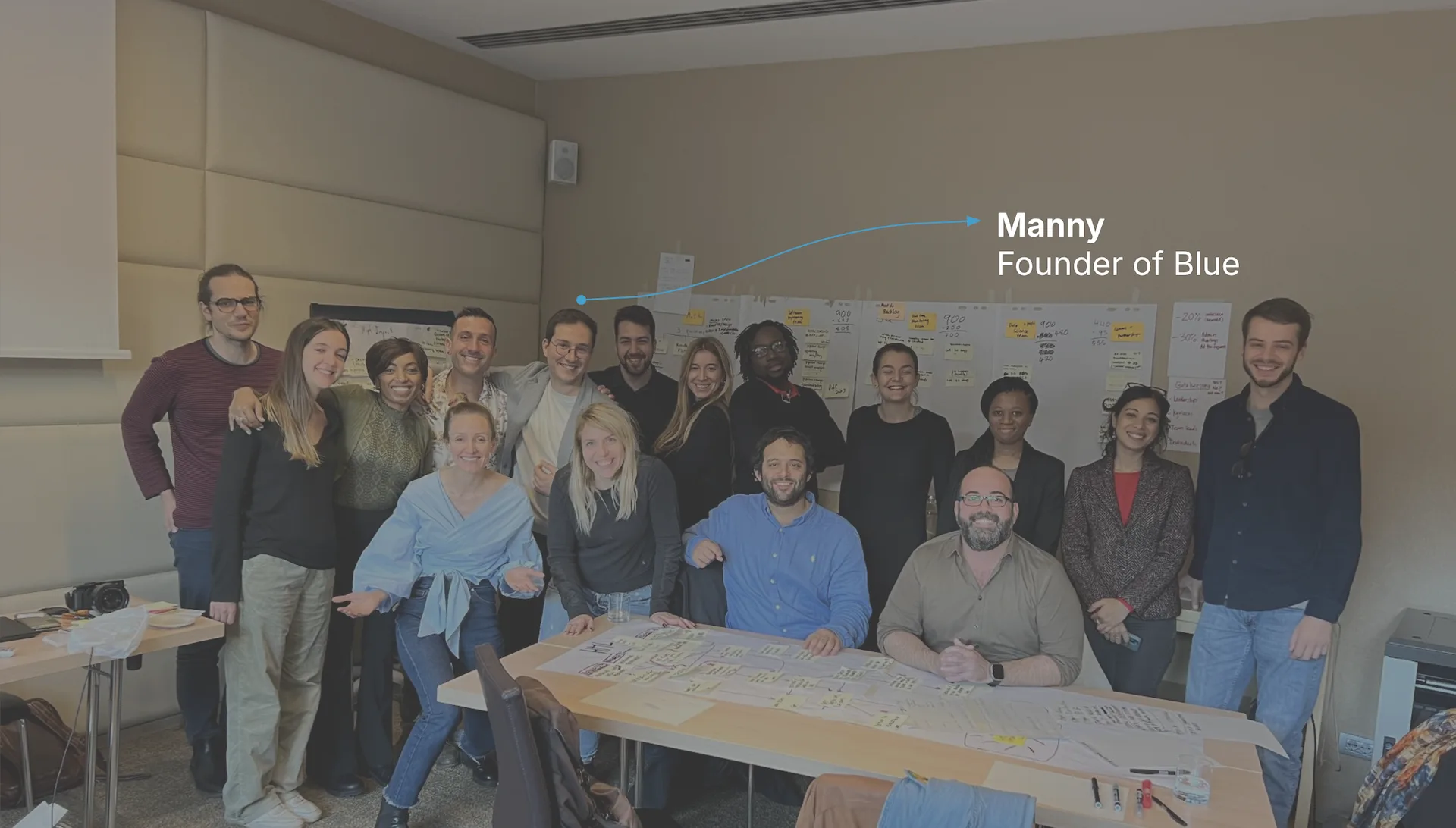
That investment in setup paid off immediately. Rather than importing a broken process into a new tool, the team redesigned how they tracked work from the ground up — with Blue’s flexibility making it possible to model their actual workflows instead of forcing them into a one-size-fits-all template.
Managing platform development at scale
Each data platform the team builds has its own set of workspaces in Blue, with custom fields tracking priority, status, assignees, and deadlines tailored to that platform’s development cycle.
The MIMI project — which uses machine learning to model micronutrient deficiency risk across populations and feeds into WFP’s HungerMapLive — spans two workspaces with over 150 records tracking features, data pipeline work, and developer tasks. The scale of the project demands granular tracking: individual model outputs, country-specific data integrations, and visualization components each get their own records with full comment threads documenting decisions.
The APP-FF program runs three connected workspaces: an admin and requests board for incoming work, plus dedicated workplan projects for 2025 and 2026. This structure gives the team both the day-to-day task view and the longer-term planning horizon that donor reporting requires.
Yearly workplans are a pattern across the division. Rather than managing everything in one massive backlog, each major initiative gets its own workspace with milestones tied to funding cycles and donor commitments. Blue’s flexibility made this structure possible without the rigid hierarchy that Microsoft Project imposed.
Collaboration across roles — and organizations
With over 1,500 comments across the account, Blue has become the team’s primary collaboration surface. The “Data Science Projects” workspace alone has 521 comments across 249 records — that’s more than two comments per record, a sign that substantive discussions are happening where the work lives, not in separate email threads.
This is particularly important for a team that spans data scientists, developers, project managers, and partnership specialists. When a donor asks for a progress update on the Google.org grant, the project manager doesn’t need to chase developers for status — it’s already documented in the records and comments.
The team also collaborates with external contractors and consultants directly in Blue. Rather than maintaining a separate communication channel for vendor work, external collaborators join the relevant workspaces and participate alongside the core team — keeping context unified and reducing the coordination overhead that plagues cross-organizational projects.
Results
What started as a replacement for Microsoft Project and spreadsheets has become the operational backbone of how WFP Headquarters coordinates the development of data platforms that serve 80+ countries.
- 12 team members across data science, development, project management, and partnerships — all on one platform
- 19 active workspaces spanning platforms like MIMI, HungerMapLive, APP-FF, Wala, and early warning systems
- 1,000+ records tracking features, tasks, deliverables, and milestones across the full portfolio
- 1,500+ comments — collaboration embedded in the work, not scattered across email and chat
- External contractors integrated directly into workspaces alongside core WFP staff
The shift from Microsoft Project eliminated the divide between technical and non-technical staff. Data scientists, project managers, and partnership leads all work in the same system, with views tailored to their roles. For a UN agency where transparency and accountability matter as much as execution speed, having a single source of truth for the entire data platform portfolio has changed how the team operates.